
Viewing 151 - 156 out of 338
Article
Eye Diseases
Cytomegalovirus (CMV) Retinitis
Cytomegalovirus (CMV) retinitis is a serious disease causing compromised vision and ultimately a total loss of vision. CMV retinitis is typically associated with Acquired Immunodeficiency Syndrome (AIDS). In the early days of the AIDS epidemic, nearly one-quarter of all individuals diagnosed with late-stage

Eye Diseases
Fuchs' Corneal Dystrophy
Fuchs' dystrophy (pronounced fooks DIS-truh-fee) is an eye disease characterized by degenerative changes to the cornea’s innermost layer of cells. The cause for Fuchs' dystrophy is not fully understood. If your mother or father has the disease, then there is roughly a 50 percent chance that you will
Contact Lenses
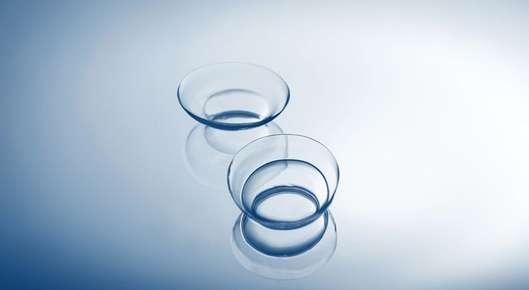
Bifocal Contacts
Bifocal contact lenses are a type of contact lens that combine two different prescriptions in the same lens. One component corrects nearsightedness and the other prescription addresses farsightedness or farsightedness. Several types of bifocal contacts are available; your eye care provider can help you
Contact Lenses
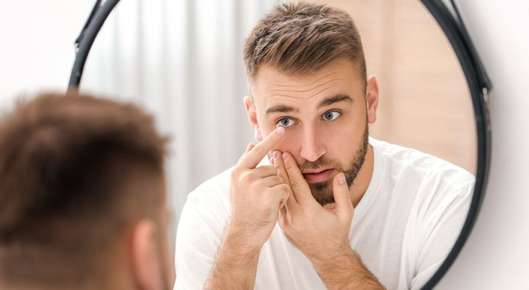
Contact Lens FAQ
Can I wear contact lenses? Most people are able to wear contact lenses safely and comfortably. There are contact lenses that correct for nearsightedness, farsightedness, astigmatism, and other vision problems. An optometry exam can determine what lenses are appropriate for you. Are contact lenses safe
Common Eye Conditions
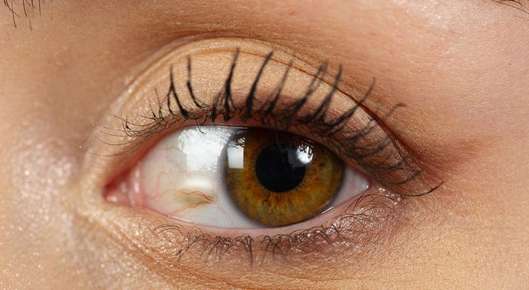
Pinguecula and Pterygium (Surfer's Eye)
Characterized by a yellowish raised part of the scleral conjunctiva (the lining of the white part of the eye), a pinguecula usually develops near the cornea (colored part of the eye), but does not extend past it. Similar to a callus on the skin, changes in tissues lead to the buildup of calcium, fat,
Common Eye Conditions
Macular Degeneration
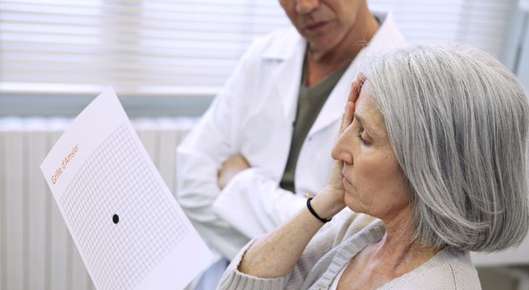
One of the most important reasons for regular examinations by your eye care provider is evaluate for the development of macular degeneration. According to the Bright Focus™ Foundation, this condition is the primary cause of loss of vision and blindness in older individuals ages 60 and above and is
Page 1
Page 2
Page 3
Page 4
Page 5
Page 6
Page 7
Page 8
Page 9
Page 10
Page 11
Page 12
Page 13
Page 14
Page 15
Page 16
Page 17
Page 18
Page 19
Page 20
Page 21
Page 22
Page 23
Page 24
Page 25
Page 26
Page 27
Page 28
Page 29
Page 30
Page 31
Page 32
Page 33
Page 34
Page 35
Page 36
Page 37
Page 38
Page 39
Page 40
Page 41
Page 42
Page 43
Page 44
Page 45
Page 46
Page 47
Page 48
Page 49
Page 50
Page 51
Page 52
Page 53
Page 54
Page 55
Page 56
Page 57
Location
Click the map to view the location nearest to you
Office Hours
Our regular schedule
Call today:
Testimonials
Reviews By Our Satisfied Clients
Contact us